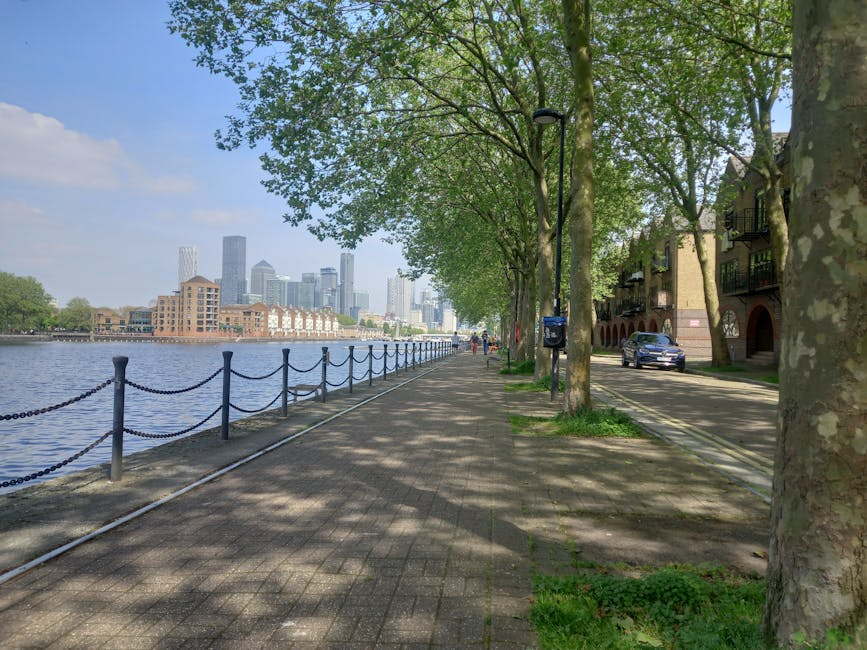
Best gardeners for West India Quay terraces Canary Wharf
Finding the best gardeners for West India Quay terraces Canary Wharf is not just about keeping a few pots alive through winter. It is about working with a very specific kind of outdoor space: elevated, exposed, often compact, and usually expected to look polished all year round. If you live or manage a terrace near West India Quay, you will know the challenge already. Wind one week, sudden sun the next, then a damp patch in the corner that seems to appear for no reason at all. Classic London terrace stuff, really.
This guide breaks down what good terrace gardening actually looks like in this part of Canary Wharf, how to choose the right support, what services matter most, and where people often go wrong. It is written for homeowners, landlords, property managers, and anyone who wants a terrace that feels calm, tidy, and genuinely enjoyable to use rather than a constant maintenance headache.
If you want a broader view of the provider's services while you read, you can also browse the full services overview, or learn more about the team on the about us page.
Table of Contents
- Why Best gardeners for West India Quay terraces Canary Wharf Matters
- How Best gardeners for West India Quay terraces Canary Wharf Works
- Key Benefits and Practical Advantages
- Who This Is For and When It Makes Sense
- Step-by-Step Guidance
- Expert Tips for Better Results
- Common Mistakes to Avoid
- Tools, Resources and Recommendations
- Law, Compliance, Standards, or Best Practice
- Options, Methods, or Comparison Table
- Case Study or Real-World Example
- Practical Checklist
- Conclusion
- Frequently Asked Questions
Why Best gardeners for West India Quay terraces Canary Wharf Matters
Terraces in West India Quay sit in a unique corner of London. You are close to the water, surrounded by tall buildings, and often dealing with microclimates that are a bit odd in the best possible way. A terrace can feel warm and sheltered for an hour, then suddenly exposed and blustery because of building funnels and changing wind patterns. Plants feel that shift before you do.
That is why specialist terrace gardeners matter. A general gardener may be excellent with lawns, borders, or ground-level planting, but terrace work asks for a different mindset. Drainage matters more. Weight loading matters more. Pot choice matters more. Irrigation is often trickier. And if the terrace sits above a lower flat or shared structure, the margin for error gets smaller, fast.
In practical terms, the right gardener helps you avoid the expensive stuff: dying planting schemes, water run-off issues, messy overgrowth, and the dreaded "this looked fine in May and now it looks tired by August" problem. To be fair, many terraces do not need huge redesigns. They need careful maintenance, seasonal discipline, and someone who understands how London outdoor spaces behave when space is limited.
There is also the aesthetic side. West India Quay has a polished, urban feel, so terrace planting usually needs to balance softness with structure. A good gardener can create that balance without making the space feel overdone. Think evergreen framework, resilient perennials, smart container groupings, and a planting rhythm that still looks good when the weather is having one of its little London moments.
Expert summary: The best terrace gardeners for West India Quay are the ones who understand exposure, drainage, container planting, seasonal maintenance, and how to keep a small space looking intentional rather than crowded.
How Best gardeners for West India Quay terraces Canary Wharf Works
Terrace gardening usually starts with a site review. That sounds formal, but in reality it is often a practical walk-through: where the sun falls, where wind hits hardest, what the pots are sitting on, how water drains, and whether the terrace is being used as a seating area, a display space, or both. If a gardener skips this stage, that is a small warning sign.
From there, the process normally follows a pattern.
- Assessment - checking the terrace layout, existing planting, container sizes, access, and any awkward corners or problem spots.
- Planning - deciding what stays, what goes, what needs replacing, and whether the focus is maintenance, redesign, or both.
- Plant selection - choosing species that can cope with terrace conditions such as wind, drought spells, reflected heat, or shade from tall buildings.
- Soil and drainage setup - ensuring pots and planters drain properly and do not become waterlogged.
- Implementation - planting, pruning, re-potting, cleaning, feeding, and arranging the space so it looks tidy from the start.
- Ongoing care - regular visits for watering checks, deadheading, trimming, seasonal refreshes, and pest monitoring.
On terraces, maintenance often matters more than one-off design flair. A beautiful scheme can lose shape quickly if it is not watered consistently or if old growth is left to smother new planting. So the best gardeners usually think in cycles: spring lift, summer control, autumn tidy-up, winter protection. Simple, but effective.
If you are comparing different service levels, it may help to look at the provider's pricing and quotes guidance before you decide what kind of support you need. It gives you a useful sense of how scope and frequency can affect the final figure.
Key Benefits and Practical Advantages
People usually hire terrace gardeners for one obvious reason: they want the space to look better. Fair enough. But there are several practical benefits that matter just as much.
- Better plant survival - terrace conditions are unforgiving, and the right selection improves long-term success.
- Cleaner appearance - regular maintenance prevents the space from looking scruffy, which happens quicker than most people expect.
- Safer use of space - tidy containers, secure installations, and sensible access routes reduce trip hazards and clutter.
- More usable outdoor living - if the terrace feels calm and organised, you are more likely to sit outside and actually enjoy it.
- Lower replacement costs - plants that suit the site and are properly cared for usually need fewer emergency fixes.
- Better seasonal continuity - a good gardener plans for year-round structure, not just one colourful burst in summer.
There is another benefit that is easy to overlook: confidence. Once you know the terrace is being looked after properly, it stops being another thing on your list. And honestly, that matters. A well-maintained terrace can change the feel of an apartment or building more than people realise.
For many clients, sustainability is part of that value too. A gardener who works thoughtfully can reduce waste, reuse materials where appropriate, and manage green waste responsibly. If that is important to you, have a look at the recycling and sustainability page for more context on environmentally responsible working practices.
Who This Is For and When It Makes Sense
Terrace gardening services are not just for luxury penthouses or large private decks. They make sense for a surprising range of people.
Homeowners
If you own a terrace in West India Quay and want it to feel like part of your living space rather than a neglected edge of the property, professional help can be a very smart investment. Even small terraces benefit from correct plant choice and consistent upkeep.
Landlords and property managers
If a terrace is attached to a rental property or managed building, appearance and safety matter. Tenants notice the condition of outdoor space, and so do visitors. A tidy terrace can support the overall impression of the property without turning into a full-time job.
Busy professionals
Canary Wharf life can be intense. Truth be told, many residents simply do not have the time to monitor watering, pruning, deadheading, and seasonal replacement. That is exactly where regular gardener support earns its keep.
People with difficult terraces
If your terrace is especially windy, shady, overlooked, or awkwardly shaped, a specialist gardener makes even more sense. Some spaces are just not "set and forget". They need judgement. A little patience too.
It makes sense to book professional help when you see any of the following:
- Plants drying out too quickly or staying wet for too long
- Containers cracking, wobbling, or overflowing
- Leaves dropping, stems stretching, or growth looking patchy
- The terrace feeling cluttered or underused
- Seasonal planting never quite surviving beyond a few months
- You want a better-looking terrace but are unsure where to start
Step-by-Step Guidance
If you are approaching this for the first time, keep it simple. The best results usually come from a clear process rather than a dramatic overhaul on day one.
1. Define the purpose of the terrace
Ask yourself what you want from the space. Is it mainly for relaxing, entertaining, light dining, visual impact, or all of the above? A terrace used for seating needs different planting from one that is mostly decorative. That sounds obvious, but it is often skipped.
2. Assess the site honestly
Look at sunlight, wind exposure, shade, access, and drainage. Spend a few minutes outside in the morning and again later in the day if you can. You will notice patterns. Wind tunnels, for example, can be quite sneaky around taller buildings.
3. Decide what should stay
Not everything needs replacing. Good gardeners often save healthy shrubs, mature planters, or structural pieces and build around them. That can save money and preserve the terrace's character.
4. Choose container-friendly planting
Plants for terraces should suit the constraints of pot life: limited root space, more frequent watering, and more exposure. Resilient evergreen shapes are usually worth their weight in gold. Seasonal colour can be added, but it should not be the only thing going on.
5. Put drainage first
Containers must drain properly. Soggy roots are a common reason terraces fail. A good gardener will check the base layers, pot holes, and irrigation habits rather than just "adding some compost and hoping for the best".
6. Create a maintenance rhythm
Set a schedule for watering, feeding, pruning, and tidy-ups. Even a small terrace benefits from rhythm. Weekly checks are often enough for light maintenance in milder periods, though hot spells may require more.
7. Review after the first season
After spring and summer, look at what thrived and what struggled. Adjust accordingly. Gardening is never one-and-done. It is more like a conversation with the space, if that does not sound too poetic.
Expert Tips for Better Results
Here are the kinds of things experienced terrace gardeners quietly prioritise. Not flashy stuff. Just the details that make a scheme hold together.
- Use structure first, colour second. Evergreen planting, grasses, and repeated forms help the terrace look good even when flowers are not at their peak.
- Do not overfill containers. It is tempting to cram in as many plants as possible, but terraces usually look better with breathing room.
- Match pots to exposure. Lightweight pots can be convenient, but they may dry out fast in windy spots. Heavier containers often behave better on exposed terraces.
- Keep the palette tight. Too many colours can make a small terrace feel chaotic. A controlled palette tends to look more expensive, if we are being blunt.
- Plan for winter. Many terraces look brilliant in June and bleak in January because nobody thought about form when the flowers disappeared.
- Use repetition. Repeating the same plant or container type can calm a busy space and make it feel intentionally designed.
A small human observation here: the best terraces often are not the most packed ones. They are the ones where each plant has room to breathe and the eye knows where to rest. You walk out, hear the city hum below, and it just feels settled.
If you are still comparing firms, the best approach is to choose one that is open about working standards. Their health and safety policy and insurance and safety information can tell you a lot about how seriously they treat the work.
Common Mistakes to Avoid
Terrace gardening can go wrong in predictable ways. Once you have seen a few failed schemes, the pattern becomes obvious.
- Choosing plants for looks only. Pretty is great. Suitability is better.
- Ignoring wind exposure. A plant that is happy in a sheltered courtyard may look exhausted on an open terrace within weeks.
- Forgetting watering logistics. If watering depends on someone "remembering when they can", the terrace will likely suffer.
- Using too many tiny pots. They dry out quickly and can make the space look cluttered.
- Skipping seasonal maintenance. Deadheading, trimming, and refreshing matter more than people expect.
- Overdoing hard materials. Too much furniture or too many decorative objects can crowd out the planting and make cleaning harder.
- Not checking access. Moving soil, pots, or compost to an upper-floor terrace is not the same as gardening at ground level. It can be awkward. Sometimes very awkward.
The biggest mistake, though, is trying to make a terrace do everything at once. A lounge, jungle, dining room, privacy screen, and herb garden in one compact corner? Sometimes possible. Often not. A good gardener will help you prioritise the parts that matter most.
Tools, Resources and Recommendations
Good terrace maintenance usually depends on a small but dependable set of tools and materials. You do not need a shed full of gadgets. You need the right basics, kept in decent condition.
| Need | Useful approach | Why it helps |
|---|---|---|
| Watering | Can, hose access, or a carefully planned irrigation setup | Keeps containers hydrated without guesswork |
| Pruning | Hand pruners and light shears | Supports neat shaping and seasonal tidy-ups |
| Planting | Fresh compost, suitable container mix, and stable pots | Improves root health and drainage |
| Cleaning | Brushes, safe wash-down methods, and regular debris removal | Prevents moss, grit, and mess from building up |
| Protection | Mulch, fleece, wind-tolerant planting, and pot insulation where needed | Helps plants cope with terrace exposure |
For most clients, the most useful resource is not a tool at all. It is a clear service plan. That plan should explain what gets done, how often, and who is responsible for what. If you want to understand what may be included in a professional arrangement, the services overview is a sensible place to start.
Where payments or bookings are involved, transparent administration matters too. It is always reassuring when a business explains its payment and security approach in plain English. No one wants awkward surprises, especially not over something as straightforward as garden maintenance.
Law, Compliance, Standards, or Best Practice
For terrace gardening in Canary Wharf, the key compliance issues are usually practical rather than dramatic. Still, they deserve respect.
First, there is health and safety. Working at height, moving heavy pots, handling tools, and managing water on hard surfaces all carry ordinary risks. Professional gardeners should follow sensible safety procedures, use suitable protective equipment where needed, and avoid creating trip or slip hazards. On shared or managed buildings, access arrangements may also matter. That is one reason clear policies are useful.
Second, there is insurance and liability awareness. If someone is working on your terrace, it is reasonable to expect that they understand responsibility for damage, safety, and site conduct. You do not need to become an expert in policy language, but you should know the basics. The company's insurance and safety page should answer many of the practical questions.
Third, there is responsible waste handling. Cuttings, old compost, broken pots, and packaging should be removed and processed properly, especially in a busy urban area where access and disposal can be awkward. Sustainable handling is not just good manners. It is part of professional practice. If that matters to you, the recycling and sustainability page is worth reviewing.
Finally, good businesses are usually clear about their terms, complaints process, and privacy practices. That may sound like admin, but it builds trust. A straightforward business is usually easier to work with when plans change, which happens more often than anyone likes. You can check the terms and conditions, complaints procedure, and privacy policy for that extra bit of reassurance.
Options, Methods, or Comparison Table
Not every terrace needs the same type of gardening support. Some need design-led planting, some need tidy maintenance, and some need both. Here is a simple comparison to help you choose.
| Approach | Best for | Strengths | Trade-offs |
|---|---|---|---|
| Basic maintenance | Established terraces that mostly need upkeep | Cost-effective, neat, predictable | May not solve deeper planting issues |
| Seasonal refresh | Terraces that need periodic colour and rebalancing | Fresh look through the year, flexible | Less comprehensive than ongoing care |
| Full terrace redesign | Spaces with poor structure, tired planting, or repeated failures | More dramatic improvement, tailored scheme | Higher upfront effort and planning |
| Regular care plan | Busy owners or managed buildings | Consistent results, less stress, better plant health | Ongoing commitment required |
If your terrace is small, regular care plus seasonal refresh is often enough. If it is large or exposed, a more structured plan may save money in the long run by reducing losses and emergency replacements. People sometimes think one big makeover will fix everything. Sometimes it helps. Sometimes it just delays the next round of problems by a few months.
Case Study or Real-World Example
Imagine a terrace apartment near West India Quay with a long, narrow layout and a mix of old pots, tired herbs, and a few decorative plants that looked lovely when bought but never really settled. The space gets morning sun, afternoon shade, and a fair amount of wind from the open side of the building. It is also used for coffee, not just display.
A sensible gardener would not start by ordering lots of new plants. They would first clear the clutter, check drainage, remove weak or overcrowded planting, and decide what the terrace is meant to feel like. Then they might build a restrained scheme: evergreen structure at the edges, robust container plants in the main seating zone, and a few seasonal highlights that can be swapped through the year.
Within a few visits, the difference would be practical as much as visual. Less mess. Easier watering. Better balance. A terrace that feels like a room again rather than a storage corner with flowers in it. That is the kind of transformation people usually want, even if they do not say it exactly like that.
And honestly, that is where the value of good gardeners becomes obvious. They do not just add plants. They reduce friction.
Practical Checklist
Use this checklist before hiring terrace gardening support in West India Quay or Canary Wharf:
- Is the space mainly for seating, display, privacy, or mixed use?
- Has the terrace been checked for sun, wind, shade, and drainage?
- Does the gardener understand container planting and elevated spaces?
- Are maintenance visits clearly defined?
- Will the planting suit exposed London conditions?
- Has waste removal and recycling been discussed?
- Are health and safety practices explained clearly?
- Do pricing and payment terms make sense to you?
- Is there a complaints process if something needs resolving?
- Are you comfortable with the plan for seasonal upkeep?
If you can answer most of those with confidence, you are in a good position. If not, that is fine too. Better to ask now than after a planter has blown over in a gusty week.
For direct next steps, use the contact us page to make an enquiry or arrange a conversation about your terrace. If accessibility matters to you, the accessibility statement may also be useful before you get in touch.
Conclusion
The best gardeners for West India Quay terraces Canary Wharf are the ones who understand the realities of terrace life: limited space, strong exposure, changing light, and a need for consistent care. They know how to make a compact outdoor area feel calm, well-planned, and easy to enjoy without turning it into a maintenance burden.
If you choose carefully, the result is more than a neat terrace. It is a space that works with your lifestyle instead of fighting against it. And that is a very good feeling on a quiet evening, especially when the city is glowing below and the plants are holding their shape in the soft light.
Get a free quote today and see how much you can save.
When you are ready to take the next step, start with a clear conversation about your terrace goals, your maintenance needs, and the kind of finish you want. The right support can make the whole space feel lighter. A small thing, maybe. But not really.
Frequently Asked Questions
What makes terrace gardening different from regular garden maintenance?
Terrace gardening is usually more about containers, drainage, weight limits, wind exposure, and ongoing upkeep. You are working with a more controlled environment, but also a more exposed one. It needs a different eye.
How do I know if my West India Quay terrace needs professional help?
If your plants keep failing, the space feels cluttered, watering is inconsistent, or you want a better design without doing it all yourself, that is a strong sign. If the terrace looks tired every season, professional help will probably pay off.
What plants work best on Canary Wharf terraces?
Plants that tolerate exposure, container life, and varying light levels usually perform best. A good gardener will balance evergreen structure with seasonal planting so the terrace looks good across the year, not just for one month.
How often should a terrace be maintained?
It depends on the planting and the season, but many terraces benefit from at least regular checks, with more attention during hot, dry, or windy periods. Some busy owners prefer a weekly or fortnightly rhythm.
Can a small terrace still look impressive?
Absolutely. Small terraces often look best when they are not overloaded. A simple, well-structured scheme with the right pots and plants can feel much more stylish than a crowded one.
Do terrace gardeners handle plant replacement as well as maintenance?
They often do, especially when plants have failed due to exposure, poor drainage, or simple age. Replacing tired plants is part of keeping a terrace looking healthy and balanced.
Should I worry about weight on an upper-floor terrace?
Yes, you should at least think about it. Heavy planters, wet compost, and large decorative items all add load. A careful gardener will take that into account before suggesting materials or layouts.
Is terrace gardening expensive?
Costs vary depending on the size of the terrace, the amount of work needed, and whether you want regular maintenance or a full redesign. It is usually best to ask for a tailored quote rather than guess.
How do I compare different gardeners fairly?
Look at their understanding of terrace-specific issues, how clearly they explain maintenance, whether they cover safety and insurance, and whether their plan feels realistic. The cheapest option is not always the best value. Not even close sometimes.
What should I ask before booking a gardener?
Ask about plant choices, watering, drainage, frequency of visits, waste removal, safety, and what happens if something needs changing after the first visit. Clear answers are a good sign.
Can I book one-off help instead of ongoing care?
Yes. One-off work can be useful for a spring refresh, a redesign, or a reset after a neglected period. Ongoing care is better for keeping the terrace in top shape, but one-off support has its place.
Why is sustainability relevant for terrace gardening?
Sustainability matters because terrace work can create waste through old compost, packaging, damaged pots, and replaced plants. Responsible handling keeps the project tidier and more environmentally considerate. Small choices add up, as boring as that sounds.