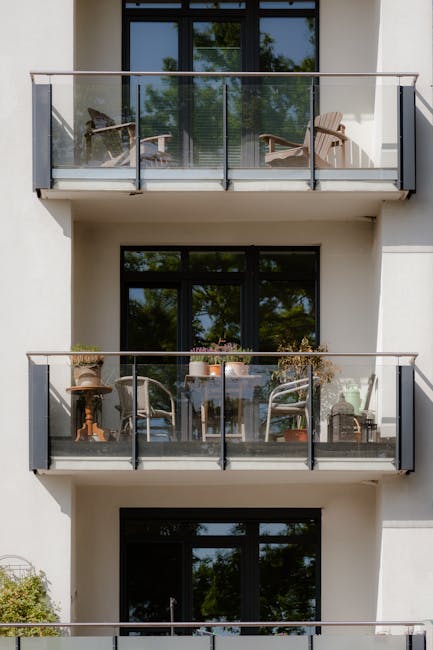
Garden maintenance for Isle of Dogs balconies E14

If you live in a flat or apartment near the river, you already know the rhythm: one windy week, a few wet days, then suddenly your balcony looks a bit tired. That is where Garden maintenance for Isle of Dogs balconies E14 becomes genuinely useful. It is not about turning a balcony into a full-size garden. It is about keeping a small outdoor space healthy, tidy, safe, and enjoyable without making it feel like a chore every weekend.
Balcony planting in E14 has its own quirks. The wind can be cheeky, containers dry out fast, and even a simple herb pot can struggle if it is tucked into the wrong corner. Add shared-building rules, drainage concerns, and limited space, and the job needs a more thoughtful approach than a typical garden tidy-up. The good news? With the right routine, a balcony can look calm, green, and surprisingly lush all year. Let's break down how it works, what matters most, and what to avoid.
- Why balcony garden maintenance matters in Isle of Dogs E14
- How the maintenance process works
- Key benefits and practical advantages
- Who this is for and when it makes sense
- Step-by-step guidance
- Expert tips for better results
- Common mistakes to avoid
- Tools, resources and recommendations
- Law, compliance, standards and best practice
- Options, methods and comparison table
- Case study or real-world example
- Practical checklist
- Conclusion
- Frequently asked questions
Why Garden maintenance for Isle of Dogs balconies E14 Matters
A balcony is a small space, but it behaves like a mini ecosystem. If you ignore it for a couple of weeks, the signs show quickly: drooping leaves, algae on pots, soil splashed onto paving, yellowing herbs, and the odd plant that has simply given up. On the Isle of Dogs, where many homes face exposed air, height-related wind is often the real headache. A plant that looks fine at ground level can dry out or topple in hours above street level.
Regular maintenance matters for three practical reasons. First, plant health. Container plants do not have the luxury of deep soil, so they rely on consistent watering, feeding, and pruning. Second, safety. Overfilled planters, loose trellis, and wet surfaces can create avoidable hazards. Third, appearance. A neat balcony adds calm to the home, and to be fair, that feeling matters more than people admit. There is something nice about stepping outside with tea at 8am and not seeing a mess of snapped stems and forgotten compost bags.
It also matters because balcony gardening is as much about restraint as it is about growth. Too many plants, too much water, too much furniture, too much clutter. The best results usually come from a measured approach. If you want broader support with seasonal upkeep, it can help to look at a wider garden maintenance service that understands the difference between open gardens and compact balcony planting.
Expert summary: balcony maintenance in E14 works best when it is regular, light-touch, and tailored to wind, shade, drainage, and weight limits. Small spaces punish neglect faster than larger gardens do.
How Garden maintenance for Isle of Dogs balconies E14 Works
Good balcony maintenance is usually a cycle rather than a one-off job. You check, tidy, adjust, and repeat. That sounds simple because it is simple, but the details matter. Most well-run maintenance visits cover the plants, containers, surfaces, water management, and any small structural features such as rail planters or screens.
1. Assess the balcony conditions
The first step is reading the space. Is it south-facing and bright, or shaded by neighbouring buildings? Does wind travel straight across it, or is there a sheltered corner? Are the containers sitting in water after rain? These small observations shape every maintenance decision. A herb tray in full sun may need a very different routine from a fern tucked into shade near a wall.
2. Check plant health and growth
Maintenance then turns to the plants themselves. Deadheading, pruning, removing damaged leaves, and checking for pests are all standard tasks. Container plants often become root-bound faster than plants in open ground, so the roots and compost condition deserve attention too. If something has outgrown its pot, it usually shows through slowed growth, dry soil that disappears in minutes, or roots circling the inside of the container.
3. Refresh the growing medium
In balconies, soil quality matters a lot. Potting compost breaks down over time, so it needs topping up or replacing. Slow-release feed may be added where appropriate, though you do not want to overdo it. More feed is not always better. A balcony is not a buffet.
4. Tidy the hard surfaces
Leaf litter, moss, algae, and spilled soil can make balconies slippery and untidy. A routine clean-up keeps paving, decking, and container trays in better shape. If your outdoor area includes timber or composite surfaces, careful upkeep is especially helpful. For properties with built-in timber features, the right decking services can also support long-term safety and appearance.
5. Rebalance the layout
Small balconies often become cluttered without anyone noticing. A good maintenance routine may involve moving one pot, replacing a tired plant, or grouping containers so watering is easier. Sometimes the solution is not more plants. It is better placement.
Key Benefits and Practical Advantages
The benefits of balcony garden upkeep are more than cosmetic, although the visual impact is hard to ignore. A tidy balcony makes a home feel larger, calmer, and better looked after. That is especially true in apartment living, where outdoor space can feel like a rare luxury.
- Healthier plants: regular pruning, feeding, and inspection reduce stress on container plants.
- Less water waste: good maintenance spots drainage issues, cracked pots, and thirsty plants early.
- Better safety: cleaner floors and stable containers reduce slips and topple risks.
- Longer lifespan for pots and fixtures: catching wear early prevents small problems turning into replacements.
- A more usable space: when a balcony feels tidy, you actually use it.
- Improved property presentation: it may seem minor, but a well-kept balcony lifts the whole look of a flat.
There is also a mental benefit. A balcony that looks after itself a little more easily is less likely to become one more job on a long list. That matters after a busy day on the Jubilee line, or whenever the weather flips and you suddenly remember the basil has been ignored for too long. Not ideal, but fixable.
If you are looking to align balcony planting with wider outdoor improvements, a broader landscape gardening approach can help you choose plants and materials that suit urban conditions instead of fighting them.
Who This Is For and When It Makes Sense
Balcony maintenance is not only for keen gardeners. In fact, some of the best clients for this kind of work are people who like greenery but do not have the time, tools, or confidence to manage it properly. If that sounds familiar, you are in the right place.
This is especially useful for:
- flat owners who want a low-fuss outdoor retreat
- tenants who need the balcony to stay tidy and compliant with building expectations
- busy professionals who cannot keep up with watering and pruning
- older residents who want help with lifting, cutting back, and clearing clutter
- property managers preparing a balcony for viewings or inspections
- households with pets or children, where safety and neatness matter more
It also makes sense when a balcony has gone past the point of casual care. Maybe the planters are overgrown, maybe the drainage trays are full of debris, or maybe the space has become one of those areas you keep meaning to sort out. You know the one. It is not disastrous, just slightly neglected. That is often the perfect time to reset it.
Step-by-Step Guidance
If you want to maintain an Isle of Dogs balcony properly, a simple repeatable routine is the best way forward. Here is a practical method that works well in small urban spaces.
- Clear the surface first. Remove fallen leaves, empty pots, old labels, broken ties, and any debris blocking drains or trays.
- Inspect each plant individually. Look for dry stems, pests, mildew, root stress, and damaged leaves.
- Water with intention. Water deeply where needed, then let the top layer dry a little before repeating. Avoid the drip-feed approach of constantly adding tiny amounts unless the plant type really suits it.
- Deadhead and prune. Trim back tired flowers, leggy growth, and anything that is crowding the pot.
- Refresh compost and feed where appropriate. Topping up the growing medium gives container plants a better foundation.
- Stabilise pots and accessories. Check saucers, plant stands, rail fixings, windbreaks, and trellis supports.
- Review the layout. Move the most vulnerable plants into sheltered positions and place sun-lovers where they will thrive.
- Clean hard surfaces last. Sweep, wipe, and rinse carefully so the balcony is safe and pleasant to step onto.
A helpful rule of thumb: if a task takes less than ten minutes, do it before it becomes a larger job. Balcony maintenance rewards small, frequent actions. Leave it too long and it becomes a proper half-day project, and nobody wants that on a Saturday morning.
Expert Tips for Better Results
Over time, a few habits make a noticeable difference. These are the sort of things that save you time and keep the balcony looking sharp without turning it into a second job.
Choose plants that cope with exposure
In the Isle of Dogs, exposure is often the hidden challenge. Wind can dry pots quickly, so hardier species usually perform better than delicate ones. Look for plants that suit your light levels and avoid forcing a plant into conditions it clearly dislikes. Some people try to make a sun plant happy in a shady corner. It rarely ends well.
Use heavier containers where safety matters
Very light pots can move in strong gusts. Heavier materials, or at least well-balanced containers, are often a better choice on higher balconies. This is not about making everything bulky. It is about preventing avoidable mess and movement.
Group plants by watering needs
Mixing thirsty plants with drought-tolerant ones in the same area can make care awkward. Grouping similar plants together makes it easier to water well and avoid overwatering the wrong pot. Simple, but very effective.
Keep a spare layer of compost
Small balcony gardens tend to lose soil volume over time. Having a bit of fresh compost or top dressing available helps with quick refills and seasonal resets.
Plan for one "reset" season each year
Even good balconies need a bigger tidy once or twice a year. Replacing tired plants, cutting back excess growth, and reworking the layout stops the space from drifting into clutter. Spring is a natural reset point, but autumn works too.
If your balcony has shrubs, climbers, or larger framework planting nearby, occasional specialist support from hedge trimming or tree lopping and removal may also be relevant where overgrowth affects light, privacy, or safety. That said, bigger vegetation on balconies needs careful judgement. Not every space should host big ambitions.
Common Mistakes to Avoid
Balcony gardens usually fail for predictable reasons. The same problems show up again and again, and most are easy to prevent.
- Overwatering: the most common issue. Containers can stay wet far longer than people expect.
- Ignoring drainage: blocked saucers and trays can cause root stress and mess on the floor below.
- Using the wrong plants: delicate plants in exposed wind are a recipe for frustration.
- Overcrowding: too many pots make cleaning and watering harder, not better.
- Forgetting weight limits: balconies are not storage rooms. Keep heavy items sensible and well placed.
- Leaving dead growth in place: it looks untidy and can invite pests or disease.
- Using unstable fixtures: loose rail planters and wobbly stands are not worth the risk.
One quiet mistake deserves a mention: buying plants because they look good in a shop and not because they suit your balcony. We all do it now and then. The plant looks cheerful, the label sounds promising, and then the first windy week arrives. The poor thing never really had a chance.
Tools, Resources and Recommendations
You do not need a shed full of equipment for balcony maintenance. In fact, too much kit usually gets in the way. A compact, well-chosen set of tools is better for small-space work.
| Tool or item | Best use | Why it helps |
|---|---|---|
| Hand pruners | Cutting back dead or overgrown stems | Makes tidy, precise cuts without crushing plants |
| Small watering can | Targeted watering | Helps avoid water splashing onto floors and walls |
| Plant feed | Seasonal nourishment | Supports healthy growth in pots with limited soil |
| Soft brush or broom | Cleaning debris and soil | Keeps hard surfaces safer and easier to use |
| Gloves | General maintenance | Useful for handling compost, thorns, and rough stems |
| Moisture meter or finger test | Checking water levels | Helps avoid overwatering or under watering |
For more structured help, it can also be useful to understand the wider service scope through the services overview. If the balcony has become cluttered with old containers, failed planting, or leftover materials, garden clearance may be the sensible first step before replanting.
And if you are planning a more complete transformation rather than simple upkeep, you may want to compare it with landscaping to see whether you need a maintenance visit, a redesign, or both. Truth be told, many balconies need a bit of both.
Law, Compliance, Standards, or Best Practice
Balcony maintenance in a London flat has a few practical compliance angles. This is not the place for legal drama, but it is worth being sensible.
First, check your lease, building rules, or property management guidance. Some buildings have restrictions on balcony storage, watering run-off, wind safety, rail attachments, or the use of large planters. These rules vary, so it is always better to confirm them rather than assume. Second, think about water drainage. You do not want excess water spilling to lower balconies or creating staining. Third, be careful with weight. A balcony may look sturdy, but heavy planters and saturated compost can add up fast.
Good practice also means avoiding anything that could become a hazard in high winds. Secure pots, avoid loose objects, and choose fixings carefully. If a contractor is involved, they should work in line with sensible safety practices and be covered appropriately. For peace of mind, it is reasonable to ask about insurance and safety before any work starts. If you want to understand how a business handles standards and responsibilities more broadly, their health and safety policy is a useful place to look.
There is also a sustainability angle. Small urban gardens can still be managed responsibly through reuse, composting where appropriate, and careful disposal of green waste. If that matters to you, recycling and sustainability is worth keeping in mind when materials or plants need replacing.
Options, Methods, or Comparison Table
There is more than one way to maintain a balcony. The right approach depends on your time, confidence, and how much the space means to you day to day.
| Approach | Best for | Pros | Trade-offs |
|---|---|---|---|
| DIY upkeep | Hands-on residents with a few pots | Low cost, flexible, satisfying | Easy to miss problems or let tasks build up |
| Occasional tidy-up | Busy people with moderate planting | Keeps things under control without constant effort | Still requires some self-management between visits |
| Regular professional maintenance | Balconies with mixed planting or higher upkeep needs | More consistent, less stress, better plant care | Ongoing cost, but often offset by fewer mistakes |
| Redesign plus maintenance | Spaces that feel cluttered or impractical | Improves layout, plant choice, and usability | More planning needed at the start |
If your balcony is already out of control, start with clearance and reset. If it is mostly healthy but just needs a better rhythm, a maintenance schedule is probably enough. The best option is not always the fanciest one. It is the one you can actually stick to.
Case Study or Real-World Example
Picture a typical Isle of Dogs balcony: one long, narrow outdoor space, a couple of rail planters, a herb tray, a small citrus plant, and two larger pots that looked great in May and a bit sorry for themselves by late summer. Nothing dramatic. Just enough to feel cluttered. The owner wants greenery but has limited time and no interest in turning every weekend into a garden shift.
The maintenance plan starts with a clear-out. Dead leaves are removed, the herbs are cut back, one pot is moved away from the direct wind line, and the citrus gets a brighter position. The tired compost is refreshed, tray drainage is checked, and the floor is swept properly. A few days later, the balcony feels different. Not transformed into a jungle. Better than that. It feels manageable.
That is the real value of balcony maintenance. It does not have to be grand. It just has to work for the space you have. A better layout, healthier plants, and less mess can make the whole flat feel calmer. Small win, but a real one.
Practical Checklist
Use this simple checklist to keep balcony maintenance on track.
- Check wind exposure and sunlight before choosing plants
- Water according to plant need, not habit
- Remove dead leaves and spent flowers regularly
- Inspect drainage trays and pot bases
- Keep surfaces swept and dry where possible
- Reposition unstable or wind-sensitive pots
- Refresh compost or feed during the growing season
- Avoid overcrowding the balcony
- Review building rules if you are adding new fixtures
- Book a bigger tidy-up when the space starts to feel heavy or cluttered
One line worth remembering: consistency beats heroics. A few minutes every week is better than a big rescue mission every few months.
Conclusion
Garden maintenance for Isle of Dogs balconies E14 is really about balance. Balance between style and practicality, between beauty and safety, and between what you want to grow and what the space can actually support. Once you get that balance right, even a modest balcony can feel like a proper retreat instead of a forgotten corner.
The best balcony gardens are rarely the most complicated. They are the ones with sensible plant choices, regular attention, and a layout that makes life easier, not harder. If you can keep the space tidy, stable, and suited to local conditions, you are already doing most of the job well.
If you are ready to improve a balcony that has become a little untidy, or you simply want steadier support through the seasons, it is worth exploring the right maintenance help and service options for your space.
Get a free quote today and see how much you can save.
And if you are the sort of person who likes a balcony to feel calm the moment you open the door, that is exactly the kind of result worth aiming for.
Frequently Asked Questions
How often should a balcony garden be maintained?
For most balconies, a light weekly check and a deeper monthly tidy work well. In warmer or windier periods, you may need to water and inspect plants more often. Small spaces show stress quickly, so regular little jobs are usually better than occasional big ones.
What are the biggest challenges with balcony garden maintenance in E14?
Wind exposure, fast-drying containers, limited space, and drainage issues are the main ones. Many balconies also have building rules or weight considerations, so maintenance needs to be practical as well as attractive.
Can I keep herbs on an Isle of Dogs balcony all year?
Yes, but the results depend on light, exposure, and the herb type. Hardy herbs can do well with enough sun and consistent care, while more delicate varieties may struggle in winter wind. A sheltered position helps a lot.
How do I know if my balcony plants are being overwatered?
Yellowing leaves, soggy compost, mould, and a heavy pot that stays damp for too long are common signs. If the top of the soil is wet for days after watering, you may be giving too much. That said, every plant behaves a little differently.
What plants are best for windy balconies?
Hardier, compact plants usually cope better than tall, delicate ones. It is often wiser to choose sturdy, container-friendly species that do not mind being moved or slightly exposed. The exact choice depends on how much light the balcony gets.
Do I need professional help for balcony maintenance?
Not always. If you have a few simple pots, DIY care may be enough. Professional help makes more sense when the space is cluttered, the plants are struggling, or you simply do not have the time to keep up with watering, pruning, and reset work.
Can balcony maintenance include cleaning decking or hard surfaces?
Yes. In fact, it should. Sweeping debris, clearing algae, and checking surface condition are all part of keeping the space safe and pleasant. If there is timber decking, it is worth maintaining it properly so it lasts longer and stays usable.
How do I avoid my balcony looking overcrowded?
Use fewer, better-placed containers and group similar plants together. Leave a bit of breathing room. If you have to squeeze sideways just to water the back pot, the layout probably needs adjusting.
What should I do before winter arrives?
Cut back tired growth, move vulnerable plants into more sheltered positions, check fixings and drainage, and remove anything likely to blow around. Winter maintenance is mostly about prevention, not perfection.
Is balcony garden maintenance suitable for rental properties?
Yes, provided you follow tenancy rules and avoid anything permanent or unsafe. A tidy balcony can make a rental feel more welcoming, but it is sensible to check what is allowed before adding large planters or fixtures.
How much work does a small balcony garden really need?
Less than a full garden, but more than people often expect. If you keep up with watering, pruning, and surface cleaning, it stays manageable. Leave it alone for too long and even a small balcony can become awkward fast.
What is the first step if my balcony garden has become messy?
Start with a clearance. Remove dead material, empty broken pots, and anything you no longer want. Then assess what is worth saving. A clean reset often makes the next decision much easier.