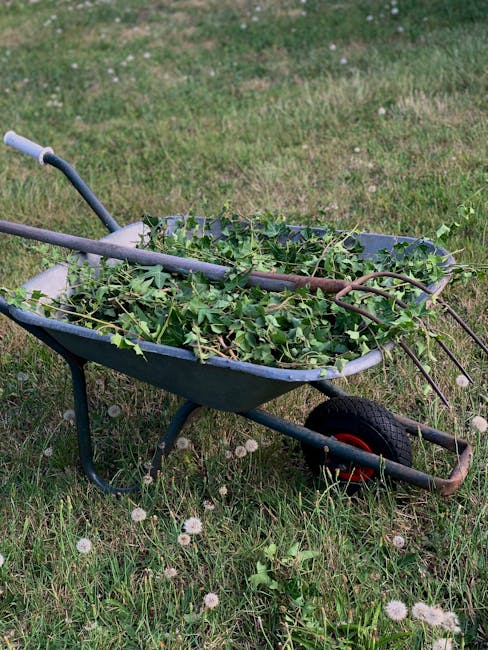
What to Know About Garden Waste Removal Delays Canary Wharf Gardeners Face
If you are dealing with a pile of branches, clippings, turf, and bags that should have been gone yesterday, you are not alone. What to know about garden waste removal delays Canary Wharf gardeners is mostly about timing, planning, and knowing which parts of the job can slow things down. In a busy part of London like Canary Wharf, delays can be caused by access issues, weather, lifting restrictions, parking, full collection slots, or simply the wrong assumptions about how much waste needs to go.
This guide walks through what the delays usually mean in practice, how the process works, what to do when a collection slips, and how to keep your garden looking tidy even if the waste lorry is running behind. We will also cover sensible best practice, a simple checklist, and where a service like garden clearance or garden maintenance can help reduce repeat problems. Let's face it, no one wants to stare at a heap of hedge cuttings for three days straight.
Why What to Know About Garden Waste Removal Delays Canary Wharf Gardeners Matters
Garden waste looks harmless until it starts getting in the way. A few bags of trimmings can quickly become a wet, heavy, smelly nuisance if they are left too long. In Canary Wharf, where space is often tight and access can be awkward, a delay is not just an inconvenience. It can affect how safe, tidy, and usable a garden feels.
There is also a practical side. If waste is waiting around, more can be added. A hedge trim turns into a bigger clearance job. A lawn cut becomes a mixed load of clippings, soil, and old plant matter. Suddenly the job costs more time and takes more effort to move. That is where delays become expensive, not just annoying.
For homeowners, landlords, and property managers, knowing what causes a hold-up helps you make better decisions. You can choose the right service, prepare the space properly, and avoid the classic mistake of assuming collection will happen "sometime this week". That phrase. Always optimistic. Usually risky.
It also matters for presentation. Canary Wharf properties often have compact gardens, terraces, courtyards, and shared access routes. A delay can affect how a property is viewed by tenants, guests, or buyers. If the outdoor space is part of the appeal, the waste needs to disappear on schedule, or as close to it as possible.
How What to Know About Garden Waste Removal Delays Canary Wharf Gardeners Works
Garden waste removal usually follows a fairly simple pattern: waste is gathered, sorted, loaded, transported, and either recycled, composted, or disposed of responsibly. Delays can happen at any of those stages. Sometimes the issue starts before the team even arrives.
Typical points where delays appear
- Access problems: narrow entrances, locked gates, basement courtyards, shared corridors, or limited loading points can slow the job down.
- Parking and timing: in busy parts of London, a team may need longer to find a sensible stopping point or wait for a safer loading window.
- Volume surprises: what looked like a small clearance can turn into a much larger load once bags are opened and sorted.
- Weather: heavy rain, strong wind, or icy conditions make lifting and moving waste slower and sometimes unsafe.
- Mixed waste: if garden waste is mixed with rubble, timber, plastic, or general household rubbish, sorting takes longer.
- Collection capacity: a provider may need a second trip or a different vehicle if the first load fills up sooner than expected.
In a straightforward case, the team turns up, assesses the waste, and removes it in one visit. In a more complicated one, they may need to split the removal, call for a different vehicle, or come back later in the day. That is not always a failure; sometimes it is simply the safest way to do it.
For larger or more involved outdoor projects, a broader service such as services overview or landscape gardening can be more suitable than a one-off collection, especially if the waste is part of a bigger redesign or clearance.
Key Benefits and Practical Advantages
When garden waste removal runs smoothly, the benefits are immediate. You see the space again. You can walk through it without stepping over bags. You stop attracting pests, damp smells, and those little "I'll deal with it tomorrow" piles that somehow become permanent.
Here is the real advantage: reliable removal is not just about tidiness. It protects the flow of your gardening work. If waste is cleared promptly, the next task can start on time, whether that is hedge trimming, lawn care, or planting.
- Cleaner working space: fewer trip hazards and fewer obstacles for tools and trolleys.
- Better scheduling: maintenance jobs can continue without waste piling up in the way.
- Healthier garden conditions: rotting organic waste can trap moisture and encourage unwanted growth or pests.
- Better curb appeal: tidy outdoor areas look more cared for, even from a quick glance.
- Less stress: you are not left wondering when the bags will disappear.
For periodic upkeep, pairing waste management with lawn mowing or hedge trimming can keep everything in sync. In practice, that means fewer awkward gaps between the cutting and the clearing. Much better all round.
Who This Is For and When It Makes Sense
This topic is relevant to more people than you might think. If your garden is tiny, a delay is still a delay. If your garden is large, the delay can become a proper headache.
- Homeowners: especially if you are managing seasonal clear-ups after pruning, storms, or a long stretch without maintenance.
- Landlords and letting agents: useful when preparing a property between tenancies or after tenants have left garden waste behind.
- Block managers and concierge teams: common where shared gardens need a tidy turnaround and access has to be coordinated.
- Busy households: ideal for anyone who wants the job handled without spending a weekend filling the car boot.
- People planning renovations: if you are upgrading a garden, delays in waste removal can slow every other stage.
It makes sense to think about delays before you book, not after the waste has already been cut and stacked. If the garden is likely to produce a lot of material, or if access is tricky, build in extra time from the start. That small bit of planning saves a surprising amount of hassle later.
Step-by-Step Guidance
Here is a simple, practical way to handle garden waste removal without unnecessary delays.
- Identify the waste type. Separate green waste from branches, timber, soil, plastic pots, and anything non-organic.
- Estimate the volume honestly. Do not guess too low. A few wheelbarrows can become a big pile once everything is cut down.
- Check access early. Note gate widths, stairs, lift access, parking conditions, and whether someone needs to unlock entry points.
- Choose the right service. A one-off collection may be enough for simple clippings, while a broader garden clearance may suit bigger jobs.
- Schedule with realistic timing. Avoid squeezing waste removal between other rushed appointments if you can help it.
- Prepare the site. Move bins, garden furniture, and fragile pots out of the loading path.
- Keep communication open. If weather, access, or extra waste appears, let the provider know as soon as possible.
- Confirm what happens if the job runs over. Ask whether the team will return later, split the load, or adjust the collection plan.
That last step sounds boring, but it saves arguments. And arguments over hedge cuttings are never glamorous.
What to do if the collection is delayed
If your scheduled removal slips, focus on safety and containment first. Keep waste stacked neatly, away from walkways and drains. Bag lighter material so it does not blow around. If rain is coming, try to cover exposed piles without trapping too much moisture underneath. Then recheck the expected arrival time and ask whether there is anything else you can do to speed things up from your side.
Expert Tips for Better Results
In our experience, the jobs that run smoothly tend to share a few habits. Nothing fancy. Just sensible prep and honest communication.
- Measure by reality, not hope. People often underestimate how much green waste a tidy-up creates.
- Sort as you go. Keeping branches, soil, and soft clippings separate helps the removal process move faster.
- Leave a clear path. Even a narrow but unobstructed route can save minutes on every trip out and back.
- Use dry timing where possible. Wet clippings are heavier, messier, and more awkward to move. A damp morning can change the whole rhythm of a job.
- Book follow-up maintenance. If your garden grows quickly, regular upkeep reduces the chance of one huge, delayed clearance later on.
Another useful tip: if you know your outdoor space is likely to generate recurring waste, discuss a routine plan rather than treating every visit as a one-off emergency. That is where garden maintenance can quietly solve a lot of future problems.
And yes, there are days when a pile of leaves seems to multiply overnight. Gardening has a funny way of doing that.
Common Mistakes to Avoid
Most waste removal delays are avoidable once you know the usual traps. A few of them sound obvious, but they catch people out all the time.
- Leaving waste unseparated: mixed loads take longer to process and may need sorting before removal.
- Underestimating access issues: a job that looks simple from the patio can be awkward once bags need to pass through a shared corridor or narrow side return.
- Booking too tightly: if the collection is scheduled back-to-back with another job, any delay becomes a domino effect.
- Forgetting weather exposure: uncovered waste in rainy weather becomes heavier and more unpleasant to handle.
- Assuming all waste is the same: branches, turf, soil, and general rubbish are handled differently in practice.
- Not checking what the service includes: you do not want to discover, mid-job, that the quote expected a much smaller load.
One more thing. People sometimes hide a bit of non-garden rubbish in the pile because "it's only a bag or two". It rarely stays a small issue. Better to be upfront from the beginning.
Tools, Resources and Recommendations
You do not need a warehouse full of gear to manage garden waste well. A few sensible tools make a big difference.
- Heavy-duty garden bags: useful for clippings, leaves, and lighter organic waste.
- Wheelbarrow or garden trolley: helpful if the waste has to be moved from the back of the garden to the front.
- Tarpaulin: a simple way to keep piles together and protect them from light rain.
- Pruning shears and loppers: reduce bulky branches before removal, which can speed everything up.
- Gloves and sturdy footwear: basic, but worth saying. Wet foliage and hidden debris can be slippery.
- Labels or separate stacks: good for keeping recyclable green waste apart from heavier material.
For broader planning, it is worth looking at the provider's information on pricing and quotes so you understand how job size, access, and waste type may shape the final arrangement. If sustainability matters to you, the page on recycling and sustainability is also a sensible companion read.
If you are comparing services more generally, services overview can help you see whether a clearance, maintenance visit, or broader landscaping job is the better fit.
Law, Compliance, Standards, and Best Practice
Garden waste removal is not just a practical job; it also needs to be handled responsibly. In the UK, the broad expectation is that waste is managed safely, transported properly, and disposed of or recycled through legitimate channels. You do not need to become a waste regulation expert, but it helps to know the shape of good practice.
For gardeners and property owners, the main point is simple: do not leave waste to be fly-tipped, burned inappropriately, or dumped in a way that creates nuisance or risk. If a provider is handling removal, it is sensible to ask how they manage waste and whether they follow clear environmental and safety processes. You are entitled to ask. Actually, you should ask.
Good practice also means protecting shared spaces. In Canary Wharf, that can include communal paths, underground access points, and managed estates where health and safety expectations are stricter than in an ordinary back garden. Waste should not block exits, create slip hazards, or interfere with other residents.
Some useful standards of behaviour are common sense rather than formal law: keep loads secure, do not overload bags beyond what can be safely lifted, separate hazardous or non-garden items, and avoid leaving waste exposed for too long. If a company has clear information on health and safety policy and insurance and safety, that is a reassuring sign. It shows they are thinking about more than just the fastest route from A to B.
If you are ever unsure about a particular waste item, treat caution as the default. Mixed or awkward waste is exactly where delays, extra handling, and avoidable disputes tend to start.
Options, Methods, or Comparison Table
There is more than one way to deal with garden waste delays. The right option depends on volume, timing, access, and how much of the garden still needs work.
| Option | Best for | Pros | Possible downside |
|---|---|---|---|
| One-off collection | Small to medium clear-ups | Quick, simple, easy to arrange | Can be delayed if the load is bigger than expected |
| Garden clearance service | Heavier or mixed waste | Better for larger jobs and awkward piles | May need more planning and access preparation |
| Regular maintenance plan | Ongoing gardens with frequent growth | Prevents waste from building up | Not always ideal for one-off seasonal surges |
| Combined gardening visit | Pruning, mowing, trimming, and disposal together | Efficient and coordinated | Needs clearer scheduling and a more accurate brief |
Practical takeaway: if the problem is already a big pile, a clearance-style approach often beats trying to patch together several small removals. If the problem is repeated growth, maintenance is usually the smarter long-term answer.
Case Study or Real-World Example
Picture a small Canary Wharf courtyard after a weekend hedge cut. At first glance it looks manageable: a few bags of clippings, some branches, and a couple of pots moved out of the way. But once the waste is gathered, it turns out the pile is heavier than expected, the access path is narrow, and rain is starting to fall.
Without preparation, that sort of job can drift. Bags get left by the back door. The path becomes slick. The waste absorbs water and gets more awkward to move. The garden still looks half-finished on Monday morning, which is exactly the kind of thing that nags at you while you are trying to work or host guests.
Now imagine the same job with a bit of planning. The waste is separated into green material and branches. The route is cleared. The collection time is realistic, with a note about access and parking. The job may still take longer than hoped, but the delay becomes manageable rather than disruptive. That difference is huge in practice. Not glamorous, but huge.
This is why many people choose to combine tree work, trimming, and disposal in one organised visit, especially when using tree lopping and removal for bigger cutbacks. One coordinated plan usually beats three rushed ones.
Practical Checklist
Use this quick checklist before, during, or after a garden waste removal job.
- Confirm the type and amount of waste to be removed.
- Separate green waste from mixed rubbish where possible.
- Check gate access, stairs, parking, and entry codes.
- Move fragile items and obstacles out of the route.
- Allow time for weather-related slowdown.
- Ask what happens if the waste load is bigger than expected.
- Keep walkways, drains, and exits clear.
- Bag loose material so it does not spread around the garden.
- Make sure the provider understands any timing constraints.
- Choose follow-up maintenance if growth is frequent.
Expert summary: the best way to avoid garden waste removal delays is to treat the job as part of the whole garden plan, not as an afterthought. Clear access, accurate volume estimates, and regular maintenance make everything easier.
Conclusion
Garden waste removal delays are usually not mysterious. They tend to come from the same handful of issues: access, volume, weather, mixed waste, or poor planning. Once you know that, the job becomes much easier to manage. You can prepare the garden properly, choose the right service level, and avoid the frustrating little hold-ups that make a simple clearance feel bigger than it is.
For Canary Wharf gardeners, that matters even more because space is tight and timing often has to fit around busy property routines. The good news? A tidy, organised approach solves most of the problem before it starts. A little preparation goes a long way. Really, it does.
When the waste is cleared promptly, the whole garden feels lighter, calmer, and ready for the next job. That's the part people remember most.
Get a free quote today and see how much you can save.
Frequently Asked Questions
Why do garden waste removal delays happen so often in Canary Wharf?
Delays often come down to access, parking, weather, and the amount of waste being larger than expected. In built-up areas, even a small garden can be awkward to service if the route is narrow or shared.
What should I do if my garden waste collection is running late?
Keep the waste stacked safely, clear walkways, and contact the provider for an updated timeline. If rain is likely, cover the pile lightly so it does not become waterlogged.
Is garden waste removal different from garden clearance?
Yes. Garden waste removal usually refers to taking away cuttings and organic debris, while garden clearance is broader and may include heavier, mixed, or overgrown material. That broader scope can be more suitable when the delay risk is higher.
How can I reduce the chance of delays before the team arrives?
Separate waste types, confirm access details, and give a realistic estimate of how much material there is. A clear brief up front saves time later.
Do I need to sort green waste from other rubbish?
It is usually a good idea. Mixed waste slows things down because it may need to be handled differently, and it can complicate loading and disposal.
Can bad weather really delay garden waste removal?
Yes. Rain makes waste heavier and messier, while wind and icy surfaces can make lifting and carrying unsafe. Sometimes a short delay is the sensible choice.
What kind of access problems cause the most trouble?
Narrow gates, shared entrances, steps, locked courtyards, and difficult parking are common causes. If the route is awkward for a person carrying bags or branches, it will probably slow the job down.
Are regular garden maintenance visits worth it for avoiding waste delays?
Often, yes. Regular upkeep keeps waste volumes smaller and more predictable, which makes collections quicker and less stressful.
What should I ask a garden service before booking?
Ask what happens if the waste volume is larger than expected, whether access needs to be prepared in advance, and how they manage safety and disposal. Those three questions cover a lot.
Can waste delays affect other gardening work?
Absolutely. If the waste stays on site, it can block mowing, pruning, planting, or landscaping work. One delay can slow the next two jobs too.
Is it better to book a one-off collection or a bigger clearance service?
If the waste is light and simple, a one-off collection may be enough. If there is overgrowth, mixed material, or lots of branches, a more complete clearance is usually the safer choice.
How do I know if a provider is serious about safety and reliability?
Look for clear information about health and safety, insurance, payment, and sustainability. Providers that explain their process clearly tend to be better prepared for real-world delays and awkward access.
For more context about the company and how it works, you can also review about us, along with the terms and conditions and payment and security details if you want to understand the practical side before booking.